One Nation May Win Farrer. Keeping It Is Another Story
Farrer is shaping as one of the more closely watched by-elections, with Pauline Hanson’s One Nation emerging as the contender, and in my view, the likely winner. For a party that has traditionally struggled to convert support into lower house wins, that alone is notable. But history suggests that winning the seat may only be half the story.
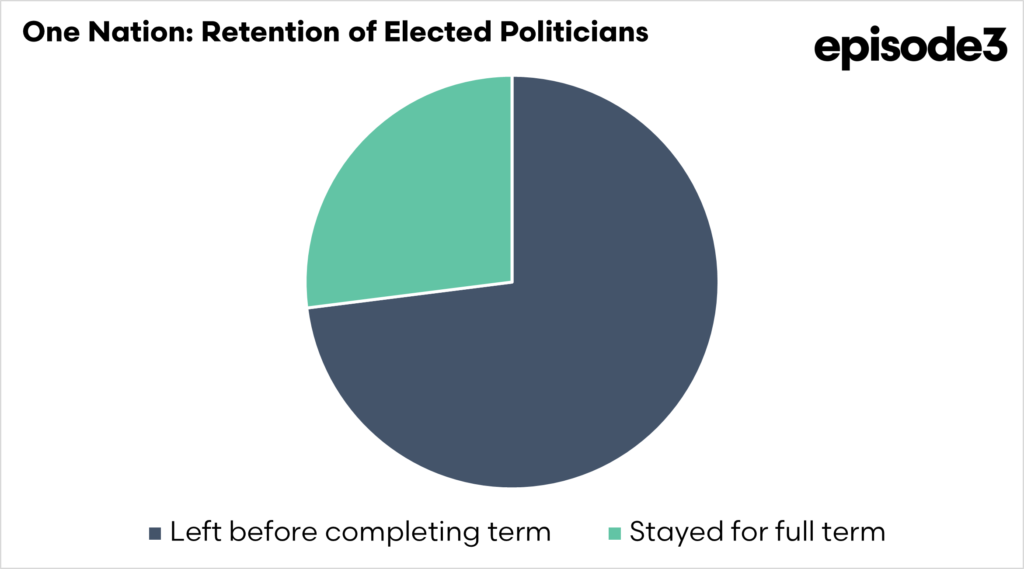
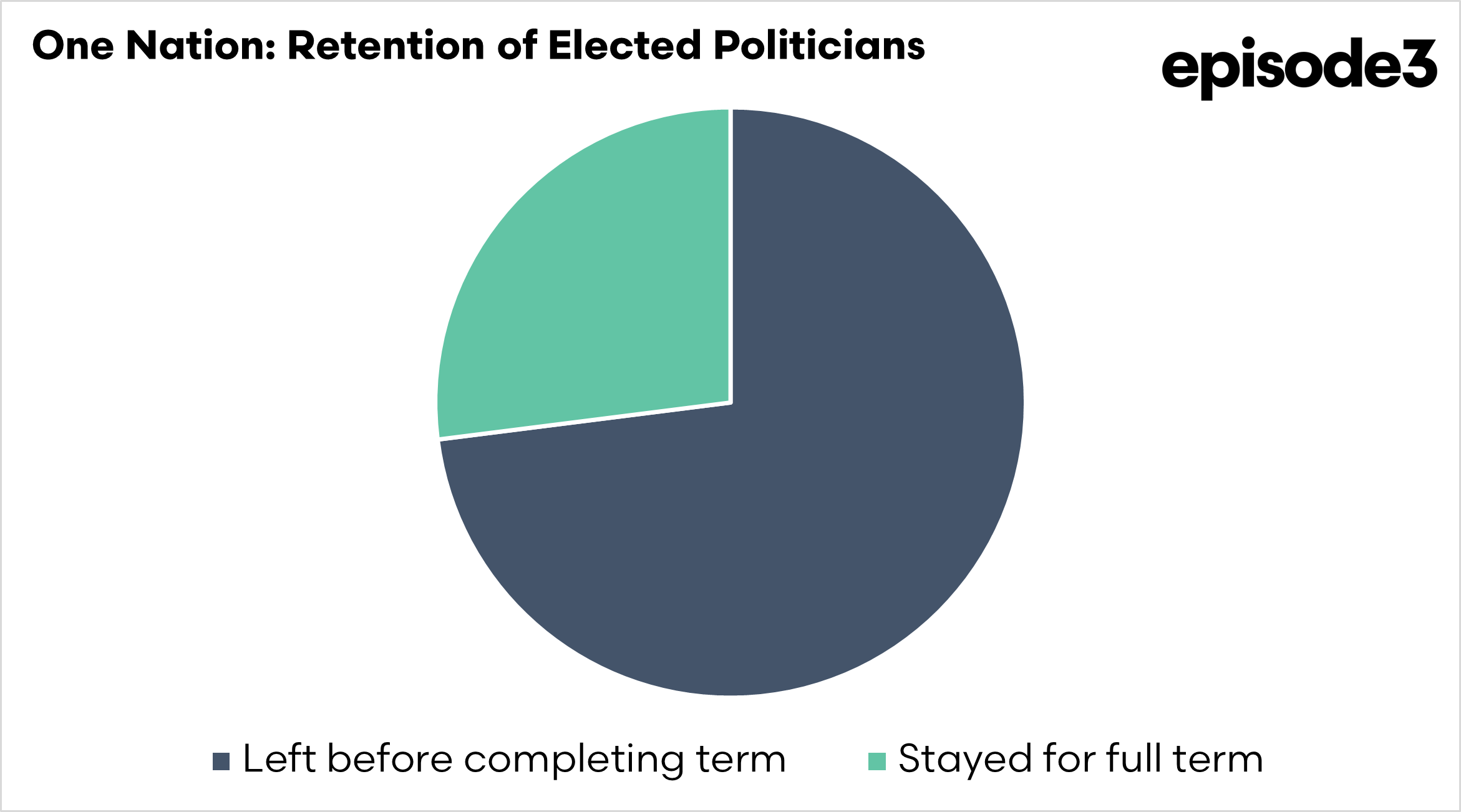
One Nation has built a track record not just of electoral volatility, but of internal turnover. At both the federal and state levels, a recurring pattern has emerged in which elected representatives do not remain in the party for a full term. They resign, are expelled, or shift to the crossbench. That is not a feature commonly seen in Australian politics.
In the Australian Labor Party and the Coalition, turnover tends to occur at the ballot box. Members lose seats or retire, but they generally are still aligned with their party while in office. Internal discipline, established structures and long-term career pathways all reinforce that stability.
The contrast with One Nation is clear. David Farley’s candidacy brings that issue into sharper focus. Farley has attracted attention not only because of the electoral opportunity in Farrer, but also because of his political history. It has been reported that he previously sought preselection with the Nationals and Labor, and had also formally endorsed and donated to his current competitor, Michelle Milthorpe.
That history points to a candidate whose political alignment has shifted over time. His positioning appears pragmatic and regionally focused rather than tightly ideological. In a contest like Farrer, that may prove to be an asset. Regional electorates often respond to candidates who prioritise local concerns over party orthodoxy, particularly when dissatisfaction with the major parties is elevated. That same flexibility can create challenges once elected.
A candidate who has moved across parties in the past is not necessarily anchored to one in the future. When combined with a highly centralised party structure, the potential for tension increases. One Nation remains closely associated with its leader, Pauline Hanson. That centralisation provides clarity of message and brand recognition, but it also limits the scope for divergence. Elected representatives are expected to align with a defined position, and when they do not, the outcome has often been separation rather than compromise. This creates a structural dynamic.
Candidates are often recruited from outside traditional party pipelines, bringing with them a mix of views and motivations. They may be effective at winning votes, particularly in electorates where dissatisfaction is high. But once inside the system, the alignment between individual and party can prove less durable. The result is a cycle that has repeated over time.
Entry is driven by opportunity and momentum. Conflict emerges as expectations and realities diverge. Exit follows, either through resignation, expulsion or political repositioning. Farrer now sits within that broader context.
If One Nation secures the seat, it will be read as a signal of voter sentiment, particularly in regional Australia. It would reinforce the party’s ability to translate dissatisfaction into electoral support. But it would not resolve the underlying question of stability.
The more relevant test would come after the election. Can the party retain the seat not just at the ballot box, but within its own ranks? Can a candidate like Farley, with a history of political movement and a pragmatic approach, operate within a structure that has historically struggled to accommodate variation? One Nation has demonstrated that it can win support when conditions align. What it has yet to consistently demonstrate is its ability to hold that support within a cohesive parliamentary team.
Farrer may provide another data point, not just on electoral performance, but on what happens next.