Drone Attacks on Black Sea Infrastructure: Opportunity for Australian Grains

The Snapshot
- The Russia-Ukraine war is increasingly becoming a drone war focused on economic damage, with cheap weapons targeting expensive ports, ships and infrastructure.
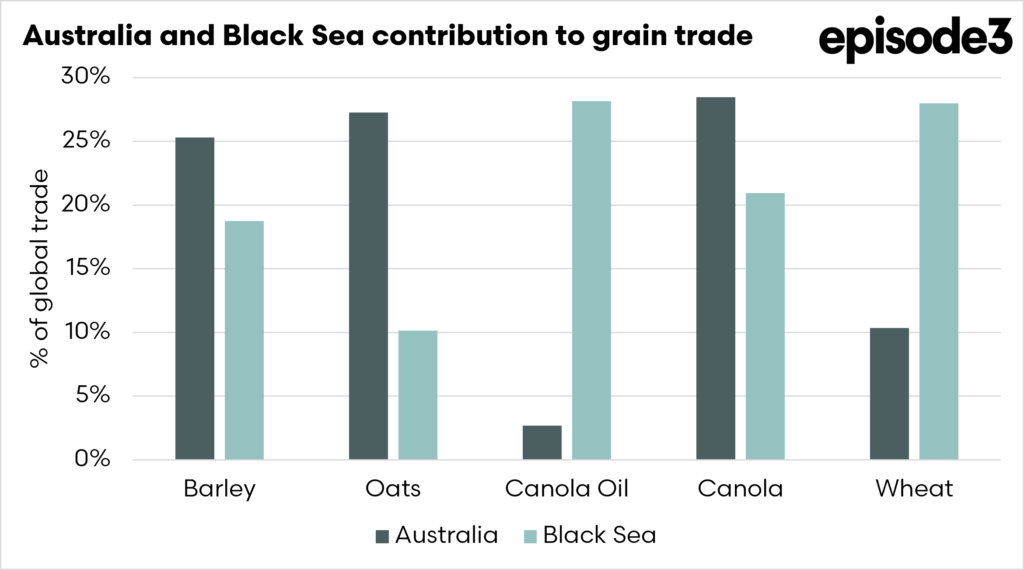
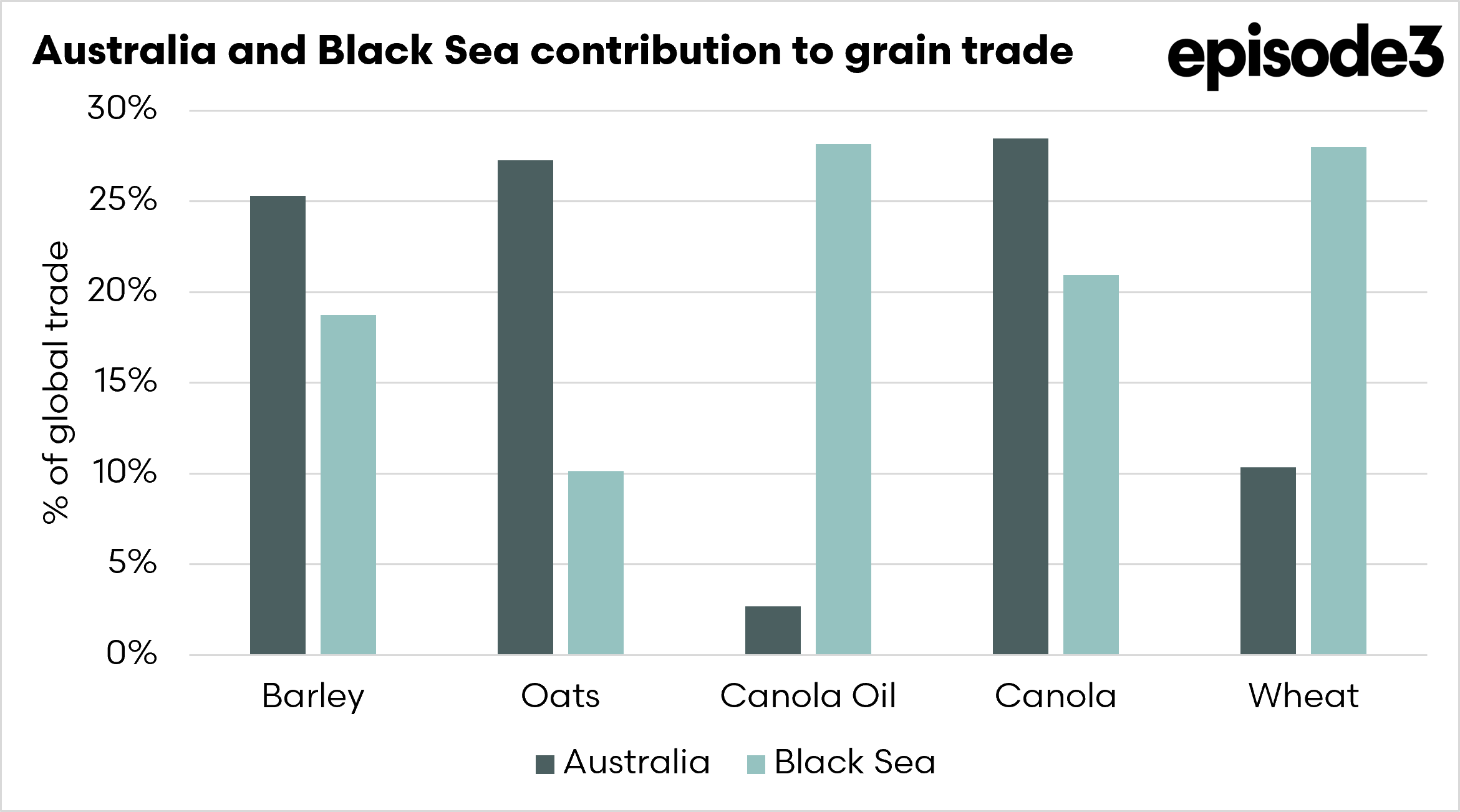
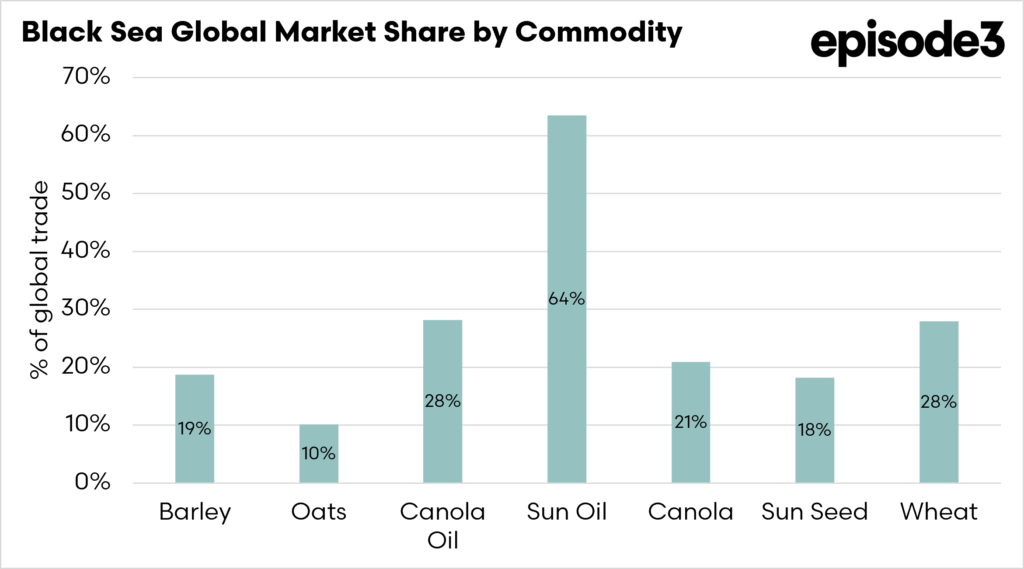
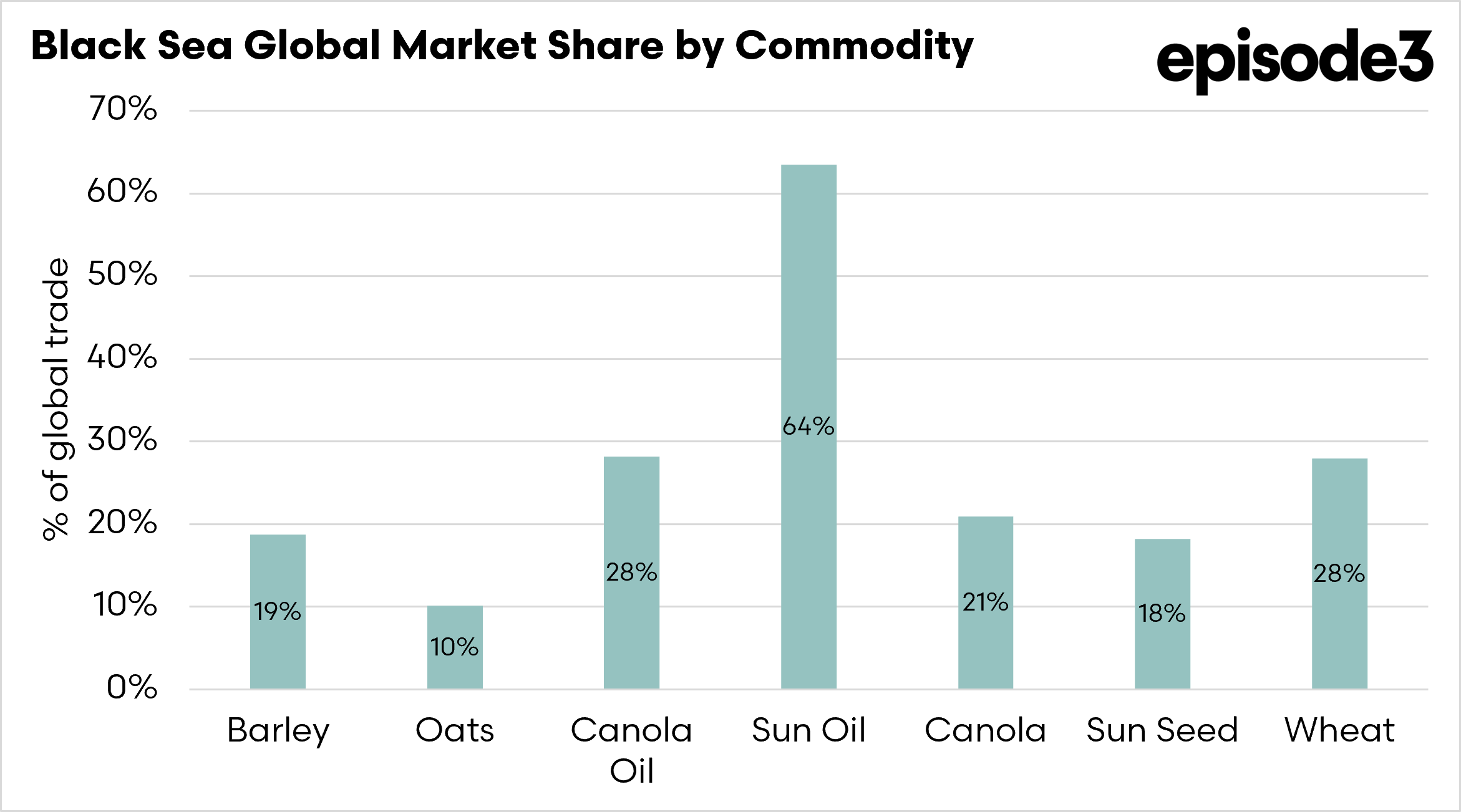
- The Black Sea is critical to global wheat trade, with Russia and Ukraine accounting for almost 28pc of world wheat exports.
- The biggest market risk is not a shortage of wheat itself, but the loss of access to a huge share of the world’s exportable grain surplus if ports or shipping routes become unreliable.
- If Black Sea exports are materially disrupted, global buyers would be forced to compete harder for grain from Australia, Europe, North America and Argentina, pushing international prices higher.
- For Australian growers, continued escalation is a clear market risk worth watching because less Black Sea grain should improve export demand and support local wheat values.
The Detail
The war between Russia and Ukraine has been running for more than four years, but the way it is being fought is changing. Increasingly, this is a battle fought with drones against ports, ships, refineries and other pieces of infrastructure, where the economic damage caused can be vastly greater than the cost of the weapon used to cause it.
That matters for Australian grain growers because the Black Sea is the most important grain exporting region in the world. If the escalation continues to the point where shipping becomes unreliable, ports are repeatedly closed, or insurers and shipowners decide the risk is too high, a very large volume of grain could effectively be removed from the export market. The obvious consequence would be higher global grain prices and, eventually, stronger Australian export values.
The latest escalation came at Novorossiysk, one of Russia’s most important Black Sea ports, where Ukrainian drones and missiles struck port infrastructure and grain terminals on the 12th August. Operations at two major grain terminals were halted following the attack, and Chicago wheat futures jumped around 3pc as the market reacted to the possibility of disruption to Russian exports.
This is also not an isolated attack. Russia has been intensifying attacks on Ukraine’s ports and commercial shipping, while Ukraine has increasingly targeted Russian vessels, terminals and logistics infrastructure. Three major Russian Black Sea grain terminals had already restricted truck deliveries in late July after attacks increased shipping risks, while vessel owners have also stopped calling at some Ukrainian ports following Russian strikes.
The economics of the drone war
There is a different economic calculation behind modern drone warfare. You do not necessarily have to sink a ship or destroy a grain terminal to achieve the objective. If a relatively cheap drone forces an opponent to continually launch much more expensive interceptors, close a port, repair infrastructure or deploy additional air defences, then the attacker has imposed a substantial cost regardless of whether the drone ultimately reaches its target.
We have seen variations of that strategy used by Iran and the Houthis in the Middle East. Ukraine may not literally be taking its military playbook from either, but the economic logic looks increasingly familiar. Cheap and relatively expendable weapons can be used repeatedly against expensive infrastructure and commercial shipping, while defenders face the choice of absorbing the damage or spending heavily to stop them.
The same mathematics extends beyond the military. A drone does not have to destroy a bulk carrier to make shipping more expensive. Repeated attacks can increase war-risk insurance, cause vessels to avoid ports, slow loading programs and eventually convince owners that there are safer and more profitable places to send their ships.
That is where the grain market becomes particularly exposed. Ports do not have to be physically destroyed for export capacity to disappear. They only have to become unreliable enough that the supply chain stops functioning efficiently.
More than one in four tonnes of wheat at risk
The importance of Russia and Ukraine to wheat trade is difficult to overstate. The current forecasts are for Russia to export 46 Mt of wheat during 2026/27 and Ukraine another 13.5 Mt, against total world wheat exports of around 214 Mt. Combined, they represent almost 28pc of global wheat trade, or more than one in every four tonnes moving between countries.
The USDA has already started adjusting its numbers for what is happening. Russian wheat exports were cut by 1.5Mt in the August update because disruption in the Black Sea was hindering shipments, particularly through the Sea of Azov, while Ukraine’s forecast was cut by 1Mt because disruption was affecting its deepwater ports. Ukrainian corn and barley export expectations have also been reduced because of increasing Black Sea hostilities.
This is why I would describe the market as sitting on a knife-edge. The issue is not that the world suddenly has no wheat. The issue is that a very large proportion of the grain available to importing nations relies on moving through a region where both sides are increasingly attacking the infrastructure required to move it.
If those exports continue relatively normally, the geopolitical premium can disappear just as quickly as it arrived. We saw that repeatedly during the earlier stages of the Russia-Ukraine conflict, when wheat rallied on fears that supply would disappear, only for prices to retreat when grain continued finding its way onto the world market. The risk today is that the nature of the battle is changing, and with it the probability that physical trade is disrupted rather than threatened.
What it means for Australia
For Australia, less Black Sea grain means greater competition for our grain. Importers in North Africa, the Middle East and Asia still need wheat. If 10 Mt, 20 Mt or potentially considerably more Russian and Ukrainian supply becomes unavailable, those buyers will compete for tonnes from somewhere else.
That is how the price signal reaches an Australian grower. Buyers bid harder for European, Canadian, US, Argentine and Australian grain, international futures respond, and export parity values rise. Australian wheat export values can strengthen even without any change in our own crop because the alternative supply available to importers has suddenly become more expensive or less reliable.
It does not mean Australian cash prices will move dollar-for-dollar with Chicago. Our crop size, domestic feed demand, freight, basis and the Australian dollar will still determine how much of an international rally reaches the farm gate. But removing a major low-cost competitor from the international market would unquestionably change the price environment facing Australian exporters.
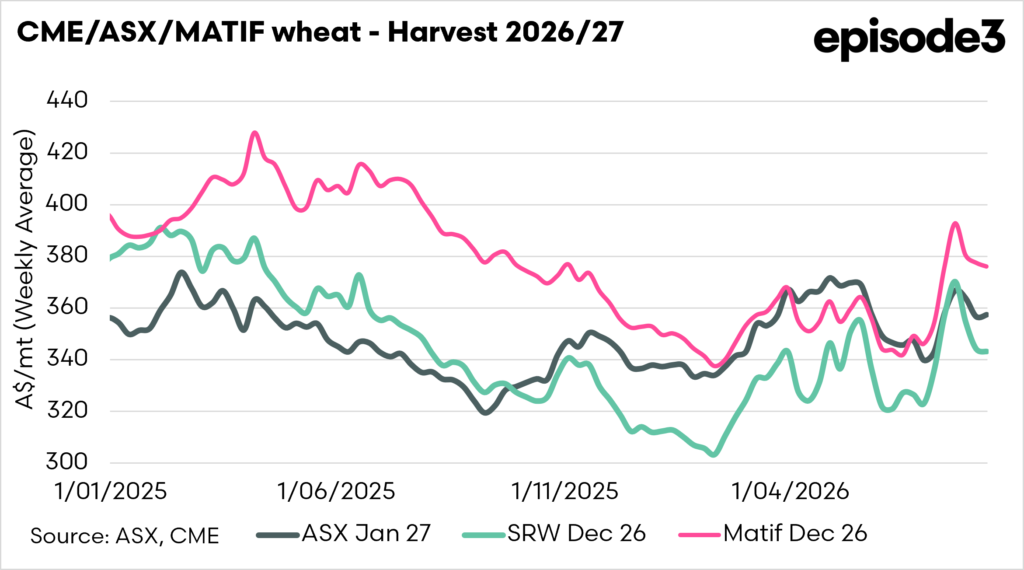
There is also an important difference between what the market feared in 2022 and what it is watching now. At the start of the war, we wrote that the wheat market was effectively trading a war. Much of the initial volatility came from trying to price a disruption that had not yet occurred.
Four years later, ports, grain terminals and commercial vessels are being attacked by both sides. Export forecasts are already being trimmed because of physical disruption, and the risk is shifting from hypothetical to increasingly tangible.
That does not mean the Black Sea is about to close, but the risk is very high. It does mean that if the drone war keeps escalating, Australian grain growers should be paying very close attention. With Russia and Ukraine responsible for almost 28pc of global wheat exports, it would not take the complete closure of the Black Sea to create a serious tightening in the export market.
Take enough of those tonnes away, and the world will have to pay more for the grain that is still available. For Australia, that is where the risk becomes opportunity.